
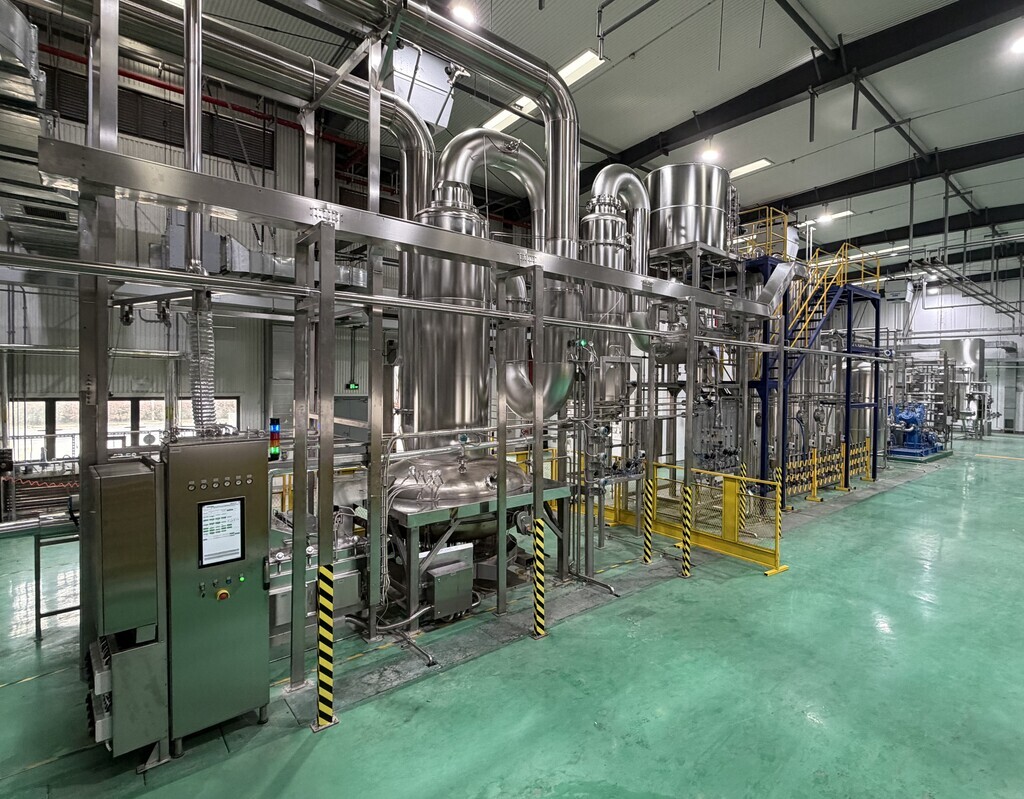
Gas recovery and abatement covers three connected functions in a specialty gas plant: vent recovery systems capture and treat unconsumed process gas and by-products before they reach atmosphere, drying units remove moisture so gas can be safely reclaimed or reused, and fluorine plants generate and handle one of the most reactive gases used in semiconductor manufacturing, often as the source of the fluorine radicals that chamber cleaning depends on. They sit at different points in the gas lifecycle, but they solve the same underlying problem: what happens to reactive, high-value or environmentally significant gas once it has done its job in the process chamber.
This guide covers what each system does, how they connect, and why abatement has moved from a compliance afterthought to a core design requirement.
Vent Recovery and Abatement: What It Removes and How
Not all process gas is consumed during deposition, etching or chamber cleaning. What remains, along with reaction by-products, needs to be captured and treated rather than released untreated. This matters more with certain gas chemistries than others. Chamber cleaning using nitrogen trifluoride (NF3) with a remote plasma clean converts NF3 to fluorine at roughly 98% efficiency, but the exhaust stream still carries reactive fluorine and other by-products such as hydrogen fluoride and silicon tetrafluoride that need to be dealt with before they leave the tool.
Abatement technology exists to convert these residual gases into forms that can be safely handled, typically through thermal treatment, plasma-based destruction, or wet scrubbing, with destruction and removal efficiencies commonly targeted between 90% and 99% depending on the specific gas involved. Perfluorocarbons (PFCs) such as CF4, C2F6 and SF6 are particularly difficult to abate because they are chemically very stable, which is exactly why they persist in the atmosphere for so long once released. JDLL’s vent recovery systems are engineered to handle this kind of demanding exhaust stream as a designed part of the plant, not a filter bolted onto the end of it.
Drying Units: Their Role in Reclaim, Not Just Supply
Drying units are usually discussed in the context of supplying clean, moisture-free gas to a process. Their role in recovery is less talked about but just as important. Gas that is being reclaimed, whether from a vent recovery system or from a process step designed to capture and reuse unconsumed gas, generally needs to be dried again before it can be considered fit for reuse, since moisture picked up during handling or recovery can reintroduce exactly the kind of contamination the original purity spec was designed to prevent.
JDLL’s gas drying units are sized and configured around the specific gas type and flow rate involved, which matters as much on the recovery side of a plant as it does on the supply side. A drying stage designed only around fresh gas input will often be undersized or poorly matched for a reclaim stream with a different moisture profile.
Fluorine Plants: Producing and Handling F2 Safely
Fluorine (F2) is one of the most reactive gases used in industrial and semiconductor applications, and it can be either supplied directly or generated in situ from NF3 through plasma dissociation inside the process tool. Handling it, whether at the point of generation or as the reactive species released during chamber cleaning, requires equipment specifically designed for its corrosivity and reactivity, since fluorine reacts with a wide range of materials that would be perfectly stable in contact with less aggressive gases.
JDLL’s fluorine (F2) plants are engineered around this reality, with material selection, containment and safety systems built specifically for fluorine service rather than adapted from a general specialty gas plant design. Given how central fluorine is to chamber cleaning efficiency and to the abatement burden downstream of it, treating its generation as a standard gas system rather than a distinct engineering problem is one of the more common mistakes in plant design.
How the Three Connect in a Single Gas Loop
These three systems are not independent product lines so much as three stages of the same lifecycle. Fluorine is generated or introduced as NF3, used in the process or chamber clean, and the resulting exhaust, which still contains reactive fluorine species and other by-products, passes through vent recovery and abatement before it can be released or reclaimed. Any gas being pulled back for reuse then typically needs drying before it meets the purity standard required to go back into the process.
A plant that treats these as three separate, disconnected purchases usually ends up with mismatched capacities and gaps between stages. A plant engineered as one connected system, sized consistently from generation through to abatement and reclaim, avoids that mismatch and generally performs more predictably over its operating life.
The Environmental and Regulatory Picture
Abatement is no longer a discretionary add-on. Perfluorinated gases and sulfur hexafluoride were specifically listed among the gases targeted under the Kyoto Protocol, given global warming potentials that run three to four orders of magnitude higher than carbon dioxide and atmospheric lifetimes measured in thousands of years. A 2022 McKinsey analysis, cited by Fraunhofer EMFT’s semiconductor emissions research, found that approximately 35% of greenhouse gas emissions in semiconductor manufacturing come from direct emissions at production facilities, with roughly 80% of that share attributed to the process gases used, not energy consumption or other sources.
Industry response has moved from research to standard practice. SEMI’s Semiconductor Climate Consortium published a dedicated report in 2025 covering abatement technologies for fluorinated greenhouse gases and nitrous oxide specifically, and large semiconductor facilities are required to report emissions under frameworks such as the US EPA’s Greenhouse Gas Reporting Program once they cross the relevant threshold. The practical effect for anyone specifying a new gas plant: vent recovery and abatement need to be part of the original design brief, sized to the actual gas chemistry and volumes involved, rather than treated as a compliance box to tick after the plant is already built.
Checklist for Choosing a Recovery and Abatement Partner
Before committing to a supplier for vent recovery, drying or fluorine systems, confirm:
- Abatement technology is matched to the specific gas chemistry involved, since PFCs, NF3 by-products and fluorine species behave very differently and do not all abate at the same efficiency with the same method.
- Drying capacity on any reclaim stream is sized for that stream’s actual moisture profile, not assumed to match fresh gas supply specifications.
- Fluorine handling equipment is designed specifically for fluorine service, not adapted from general specialty gas hardware.
- The three systems, generation, recovery and drying, are engineered as one connected plant rather than three separate purchases with no shared design basis.
- Documentation supports current and anticipated emissions reporting requirements, not just today’s regulatory baseline.
JDLL’s turnkey engineering services and safety and quality standards are built around this connected approach, and more on the company’s background is available on the About JDLL page.
FAQs
What is the difference between vent recovery and gas abatement?
Vent recovery refers to capturing unconsumed process gas and by-products rather than releasing them directly, while abatement refers to the technology used to treat or destroy those residual gases so they can be safely handled or disposed of. In practice, the two work together: recovery captures the exhaust stream, and abatement converts the harmful or reactive components within it into a safer form.
Why is fluorine handling treated differently from other process gases?
Fluorine is highly reactive and corrosive, reacting with a wide range of materials that are stable in contact with less aggressive gases. Equipment used to generate, contain or handle fluorine needs to be specifically designed for that reactivity, whether the gas is supplied directly or generated in situ from nitrogen trifluoride during chamber cleaning.
Why does reclaimed gas need to be dried again before reuse?
Gas that has passed through a recovery or reclaim process can pick up moisture during handling, and that moisture can reintroduce contamination that the original purity specification was designed to prevent. Drying units sized for the specific moisture profile of a reclaim stream, rather than assumed to match fresh supply specifications, are needed to bring the gas back to a usable purity level.
How efficient is modern PFC and NF3 abatement?
Destruction and removal efficiencies for common process gas abatement methods, including thermal treatment, plasma-based destruction and wet scrubbing, are typically targeted between 90% and 99% depending on the specific gas. Remote plasma clean processes using nitrogen trifluoride convert NF3 to reactive fluorine at approximately 98% efficiency within the tool itself, though the resulting exhaust stream still requires further abatement.
Why do process gas emissions matter so much in semiconductor manufacturing specifically?
According to a 2022 McKinsey analysis, roughly 35% of greenhouse gas emissions in semiconductor manufacturing come from direct emissions at production facilities, with around 80% of that attributed specifically to the process gases used, including perfluorocarbons, nitrogen trifluoride and sulfur hexafluoride. These gases also have global warming potentials several orders of magnitude higher than carbon dioxide and persist in the atmosphere for extremely long periods, which is why they were specifically targeted under the Kyoto Protocol.
Should vent recovery, drying, and fluorine systems be designed as one plant or purchased separately?
Designing them as one connected system generally performs better over the plant’s operating life, since gas generation, recovery and drying all depend on consistent sizing and a shared understanding of the actual gas chemistry and volumes involved. Purchasing them separately from different suppliers often creates capacity mismatches between stages that only become apparent once the plant is operating.
Recovery and abatement are not the parts of a gas plant that get attention until something goes wrong or an audit asks for documentation. Getting them engineered correctly from the start, as part of the same system as generation and supply, is what actually protects a facility’s compliance position and its operating efficiency. Contact JDLL’s engineering team to talk through your recovery and abatement requirements.